When it comes to upgrading or installing new doors in your home or commercial space, prehung doors are one of the most practical and popular choices available today. Designed for convenience, accuracy, and long-term performance, prehung doors simplify the installation process while delivering a clean, professional finish.
In this comprehensive guide, we’ll explore what prehung doors are, their benefits, types, materials, installation process, and how to choose the right prehung door for your space.
What Are Prehung Doors?
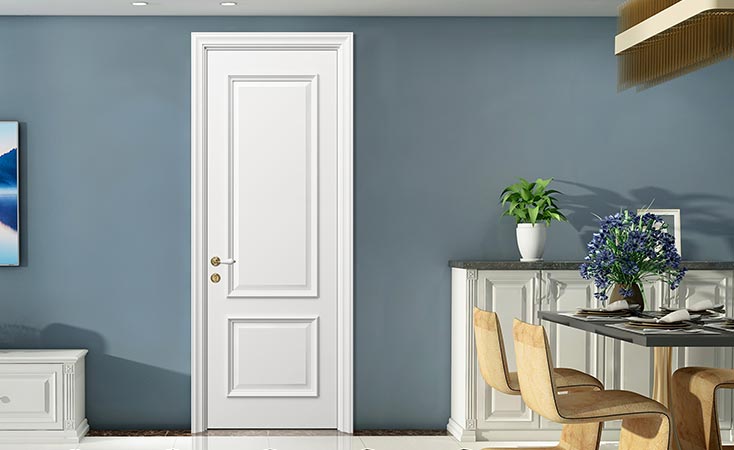
A prehung door is a door unit that comes already mounted within its frame. It includes the door slab, door frame (jamb), and hinges, all pre-assembled at the factory. Some prehung doors also come with pre-cut holes for door handles and locks, making installation faster and more precise.
Unlike slab doors, which require a separate frame and hinge installation, prehung doors arrive ready to install into a prepared doorway opening.
Why Choose Prehung Doors?
Prehung doors offer several advantages over traditional slab doors, especially for new construction or major renovations.
1. Easier Installation
Since the door is already aligned within the frame, prehung doors reduce the complexity of installation. This makes them ideal for homeowners, contractors, and DIY enthusiasts alike.
2. Perfect Alignment
Factory assembly ensures the door is square and properly aligned within the frame, reducing issues like sticking, uneven gaps, or improper closing.
3. Time-Saving Solution
Prehung doors significantly cut down installation time compared to slab doors, making them a cost-effective option for large projects.
4. Professional Finish
The pre-assembled design provides a clean, seamless appearance that enhances both interior and exterior aesthetics.
Types of Prehung Doors
Prehung doors are available in a wide range of styles to suit different applications and design preferences.
Interior Prehung Doors
Interior prehung doors are used for bedrooms, bathrooms, closets, and offices. They help define spaces while adding privacy and style.
Common interior styles include:
-
Panel doors
-
Flush doors
-
French doors
-
Glass insert doors
-
Closet and sliding doors
Exterior Prehung Doors
Exterior prehung doors are designed for entryways and outdoor access points. They provide security, insulation, and curb appeal.
Popular exterior options include:
-
Front entry doors
-
Patio doors
-
Garden doors
-
Storm doors
Exterior prehung doors often include weather stripping and thresholds for improved energy efficiency.
Materials Used in Prehung Doors
Choosing the right material is crucial for durability, maintenance, and appearance.
Solid Wood Prehung Doors
Solid wood doors offer timeless beauty and excellent insulation. They are ideal for interior spaces but require regular maintenance, especially in humid environments.
MDF and Engineered Wood Doors
These doors provide a smooth surface for painting and are resistant to warping. They are a popular choice for modern interiors.
Fiberglass Prehung Doors
Fiberglass doors are highly durable, weather-resistant, and energy-efficient, making them perfect for exterior use.
Steel Prehung Doors
Steel doors provide superior security and strength. They are often used for front entrances and commercial buildings.
Glass Prehung Doors
Glass doors allow natural light to flow between spaces and create an open, elegant look. Frosted or textured glass options enhance privacy.
Benefits of Installing Prehung Doors
Enhanced Energy Efficiency
Exterior prehung doors help reduce air leaks due to their tight factory fit, improving insulation and lowering energy costs.
Increased Property Value
High-quality prehung doors enhance curb appeal and interior design, contributing to higher property value.
Improved Security
Exterior prehung doors often include reinforced frames and lock systems, offering better protection against forced entry.
Customization Options
Prehung doors are available in various sizes, finishes, colors, and hardware options to match your design vision.
Prehung Doors vs. Slab Doors
Understanding the difference between prehung doors and slab doors can help you make the right choice.
| Feature | Prehung Doors | Slab Doors |
|---|---|---|
| Includes frame | Yes | No |
| Installation | Easier | More complex |
| Alignment | Factory aligned | Must be aligned manually |
| Cost | Higher upfront | Lower initial cost |
| Best for | New construction & renovations | Replacement doors |
Prehung doors are ideal when replacing both the door and frame, while slab doors are suitable for existing frames in good condition.
How to Install Prehung Doors
Although prehung doors are easier to install, proper installation is essential for long-term performance.
Step 1: Prepare the Rough Opening
Ensure the wall opening is level, plumb, and slightly larger than the door frame.
Step 2: Place the Door Unit
Position the prehung door into the opening, ensuring it is centered and level.
Step 3: Shim and Secure
Use shims to adjust alignment and secure the frame with screws or nails.
Step 4: Check Door Operation
Open and close the door to confirm smooth operation and even gaps.
Step 5: Finish Trim and Sealing
Install casing or trim, seal gaps with insulation or caulk, and add hardware if required.
For exterior doors, weatherproofing is critical to prevent moisture and air leaks.
Choosing the Right Prehung Door
When selecting a prehung door, consider the following factors:
Location
Interior doors focus more on style and privacy, while exterior doors prioritize security and insulation.
Door Size
Measure your opening accurately to ensure a proper fit.
Design Style
Choose a design that complements your home’s architecture, whether modern, traditional, or contemporary.
Budget
While prehung doors cost more upfront, they often save money on installation and future repairs.
Maintenance Requirements
Select materials that suit your climate and maintenance preferences.
Maintenance Tips for Prehung Doors
-
Clean door surfaces regularly with mild cleaners
-
Inspect hinges and hardware annually
-
Repaint or refinish wood doors as needed
-
Check weather stripping on exterior doors
-
Lubricate hinges for smooth operation
Proper care extends the life of your prehung doors and keeps them looking new.
Are Prehung Doors Worth It?
Yes, prehung doors are an excellent investment for homeowners and builders looking for quality, convenience, and durability. Their ease of installation, superior alignment, and professional appearance make them a preferred choice for both interior and exterior applications.
Whether you’re remodeling a single room or constructing a new building, prehung doors provide a reliable and stylish solution that enhances comfort, functionality, and visual appeal.
Final Thoughts
Prehung doors offer a perfect blend of efficiency, design flexibility, and long-term value. With a wide variety of materials, styles, and finishes available, they can easily meet the needs of modern homes and commercial spaces.
By choosing the right prehung door and ensuring proper installation, you can enjoy improved security, energy efficiency, and a polished look for years to come.
About The Author