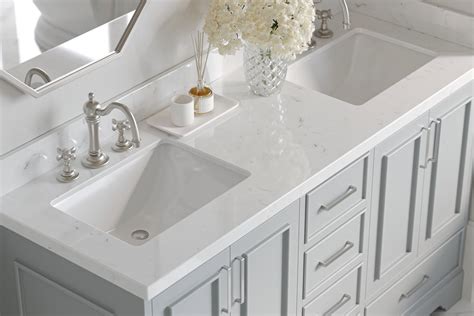
Bathrooms are no longer just functional spaces; they’ve evolved into personal sanctuaries where design, durability, and convenience meet. At the heart of this transformation lies the bathroom vanity cabinet with sink—a piece that combines storage, aesthetics, and practicality. But not all vanities are created equal. In humid environments, water exposure is inevitable, and this is where waterproof bathroom vanity cabinets with sinks stand out. They are designed to withstand moisture, prevent damage, and maintain their beauty for years.
In this comprehensive guide, we’ll explore everything you need to know about waterproof bathroom vanity cabinets with sinks: their benefits, materials, styles, installation tips, and how to choose the right one for your home.
Why Waterproofing Matters in Bathroom Vanities
Bathrooms are high-moisture zones. Steam from showers, splashes from sinks, and occasional leaks can wreak havoc on traditional wooden cabinets. Without waterproofing, cabinets may:
- Swell or warp due to water absorption.
- Develop mold and mildew.
- Lose structural integrity over time.
- Require frequent repairs or replacements.
A waterproof vanity cabinet ensures longevity, hygiene, and peace of mind. It’s not just about aesthetics—it’s about investing in a solution that resists water damage and maintains functionality.
Key Benefits of Waterproof Bathroom Vanity Cabinets
1. Durability
Waterproof cabinets are built to last. They resist swelling, cracking, and peeling, even in humid conditions.
2. Low Maintenance
Unlike traditional wood, waterproof materials don’t require constant sealing or polishing. A simple wipe-down keeps them clean.
3. Hygiene
Moisture often leads to mold growth. Waterproof cabinets prevent this, ensuring a healthier bathroom environment.
4. Aesthetic Appeal
Available in a wide range of finishes—matte, glossy, wood-grain, or stone-like—these cabinets enhance bathroom décor without compromising durability.
5. Value for Money
Though slightly more expensive upfront, waterproof vanities save money in the long run by reducing repair and replacement costs.
Popular Materials for Waterproof Bathroom Vanities
The choice of material determines the cabinet’s durability and style. Here are the most common waterproof options:
| Material | Features | Pros | Cons |
|---|---|---|---|
| PVC (Polyvinyl Chloride) | Lightweight, waterproof, termite-proof | Affordable, easy to clean, available in many designs | Less sturdy compared to solid wood |
| HDHMR (High-Density High Moisture Resistance Board) | Engineered board with high moisture resistance | Strong, durable, eco-friendly | Slightly more expensive |
| Marine Plywood | Specially treated plywood | Strong, water-resistant, long-lasting | Needs occasional sealing |
| Solid Surface (Acrylic/Resin blends) | Seamless, non-porous | Luxurious look, completely waterproof | Higher cost |
| Stainless Steel | Metal construction | Extremely durable, rust-proof, modern look | Industrial feel, limited design flexibility |
Styles of Waterproof Bathroom Vanity Cabinets
Waterproof vanities come in various designs to suit different bathroom layouts and aesthetics:
1. Wall-Mounted Vanities
- Sleek and modern.
- Creates an illusion of space.
- Easy to clean underneath.
2. Freestanding Vanities
- Traditional look.
- Offers more storage.
- Easy to install.
3. Double-Sink Vanities
- Perfect for shared bathrooms.
- Saves time during busy mornings.
- Adds luxury appeal.
4. Compact Vanities
- Ideal for small bathrooms.
- Space-saving design.
- Often includes smart storage solutions.
Choosing the Right Sink for Your Vanity
The sink is integral to the vanity. Options include:
- Undermount Sink: Seamless look, easy to clean.
- Vessel Sink: Stylish, sits above the counter.
- Integrated Sink: Made from the same material as the countertop, completely waterproof.
- Drop-In Sink: Easy installation, versatile design.
Design Trends in Waterproof Bathroom Vanities
Modern homeowners want functionality with flair. Current trends include:
- Minimalist Designs: Clean lines, neutral colors.
- Smart Storage: Hidden compartments, organizers.
- Eco-Friendly Materials: Sustainable boards and finishes.
- Matte Finishes: Elegant and contemporary.
- LED Mirrors & Lighting: Integrated with vanities for a luxurious touch.
Installation Tips
- Measure Carefully: Ensure the vanity fits your bathroom layout.
- Check Plumbing: Align sink and cabinet with existing water lines.
- Seal Properly: Even waterproof materials need proper sealing at joints.
- Leveling: Ensure the vanity is perfectly level to avoid water pooling.
- Professional Help: For complex installations, hire a plumber or carpenter.
Maintenance Guide
Waterproof doesn’t mean maintenance-free. Follow these tips:
- Wipe surfaces regularly to prevent soap scum buildup.
- Avoid abrasive cleaners that may scratch finishes.
- Check hinges and handles for rust or wear.
- Ensure proper ventilation in the bathroom to reduce humidity.
Cost Considerations
Waterproof bathroom vanities vary in price depending on material, size, and design:
- PVC Vanities: Budget-friendly ($150–$500).
- HDHMR/Marine Plywood: Mid-range ($400–$1,000).
- Solid Surface/Stone: Premium ($1,000–$3,000).
- Stainless Steel: Specialized ($800–$2,500).
While initial costs may seem high, the long-term savings on repairs and replacements make waterproof vanities a smart investment.
Waterproof Vanity Cabinets vs. Traditional Cabinets
| Feature | Waterproof Vanity | Traditional Wooden Vanity |
|---|---|---|
| Moisture Resistance | High | Low |
| Durability | 10–15 years | 5–7 years |
| Maintenance | Low | High |
| Cost | Moderate to High | Low to Moderate |
| Aesthetic Options | Wide range | Limited |
Eco-Friendly Options
Many manufacturers now offer eco-conscious waterproof vanities:
- Made from recycled PVC or engineered boards.
- Low-VOC finishes.
- Sustainable production methods.
Choosing eco-friendly options not only benefits your bathroom but also contributes to environmental conservation.
Common Mistakes to Avoid
- Ignoring Measurements: Buying a vanity too large or too small.
- Overlooking Plumbing: Misaligned sinks cause leaks.
- Choosing Style Over Function: A beautiful vanity that lacks storage isn’t practical.
- Skipping Professional Installation: DIY mistakes can lead to water damage.
Future of Bathroom Vanities
With smart home integration, the future of waterproof vanities looks exciting:
- Touchless faucets.
- Built-in charging stations.
- Smart mirrors with voice assistants.
- Sustainable, recyclable materials.
Conclusion
A waterproof bathroom vanity cabinet with sink is more than just a piece of furniture—it’s a long-term investment in durability, hygiene, and style. Whether you’re renovating your bathroom or building a new one, choosing a waterproof vanity ensures your space remains functional and beautiful for years to come. From PVC to marine plywood, wall-mounted to freestanding, the options are vast, catering to every taste and budget.
By prioritizing waterproof materials, smart design, and proper installation, you can create a bathroom that not only withstands moisture but also elevates your daily routine into a luxurious experience.
About The Author